Home » News » Russia's mineral fertilizer consumption up 18–22% over four years
Russia's mineral fertilizer consumption up 18–22% over four years
From 2022 to 2026, Russian farmers began applying more NPK and less organic fertilizer. The positive balance of nitrogen, phosphorus and potassium increased markedly.
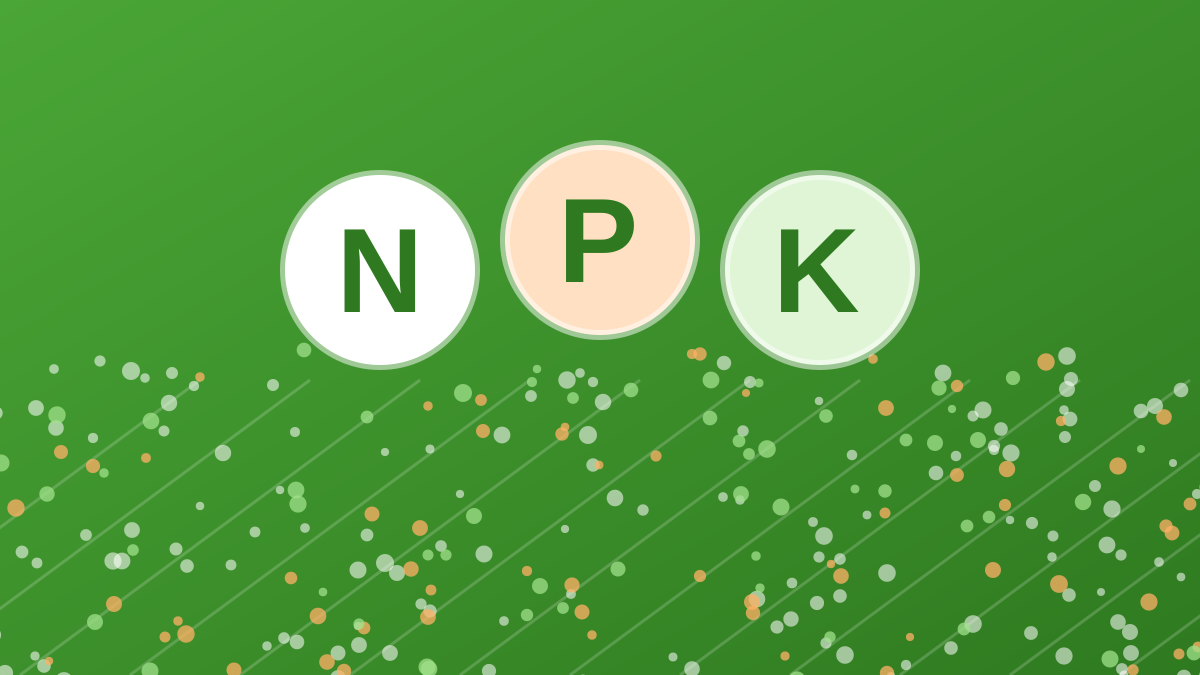
According to the Zerno Online agency, in 2022–2026 Russian farmers began using 18–22% more mineral fertilizers. NPK application rose from 4,850 thousand to 5,890 thousand tonnes. Over the same period, less organic fertilizer was applied: 10,100 thousand tonnes versus 12,400 thousand tonnes.
The positive nutrient balance increased markedly. For nitrogen, it rose from +18 to +31 kg/ha, for phosphorus from +5 to +13 kg/ha, and for potassium from +3 to +11 kg/ha. In the southern regions, the nitrogen balance exceeds 30 kg/ha.
The report notes that the skew towards excessive application of nitrogen and phosphorus leads to soil acidification, nitrate accumulation and degradation of soil biota. This threatens the ecological condition of soils and the quality of produce. The growth in fertilizer consumption is attributed to the intensification of production and the drive to obtain higher yields.
Organic fertilizer application fell by 18% over four years. According to the source, this is causing soil structure to deteriorate and reducing the soil's capacity for natural recovery. This creates long-term risks to fertility.
This is a short summary by the AgroLab editorial team. See the original for the full text, figures and quotes.